
Description
Specifications:
Throughput: 240 tests/hour (single reagent), 160 tests/hour (dual reagent)
Methodology: End-point, fixed-time (two-point), kinetic
Total reaction mixture volume: 90 µL
Sample compartment: 40 positions
Reagent compartment: 40 positions with continuous cooling
Dispensing volume: 2 µL – 50 µL, in 0.5 µL increments
Sample types: Serum, plasma, urine, gastric fluid, pleural fluid, and cerebrospinal fluid
Reagent type: Liquid, ready-to-use
Quality control: Real-time, intra-day, inter-day, etc.
Wavelength: 340–800 nm (12 wavelengths total)
Operating system: Windows 10, LIS support
Advantages:
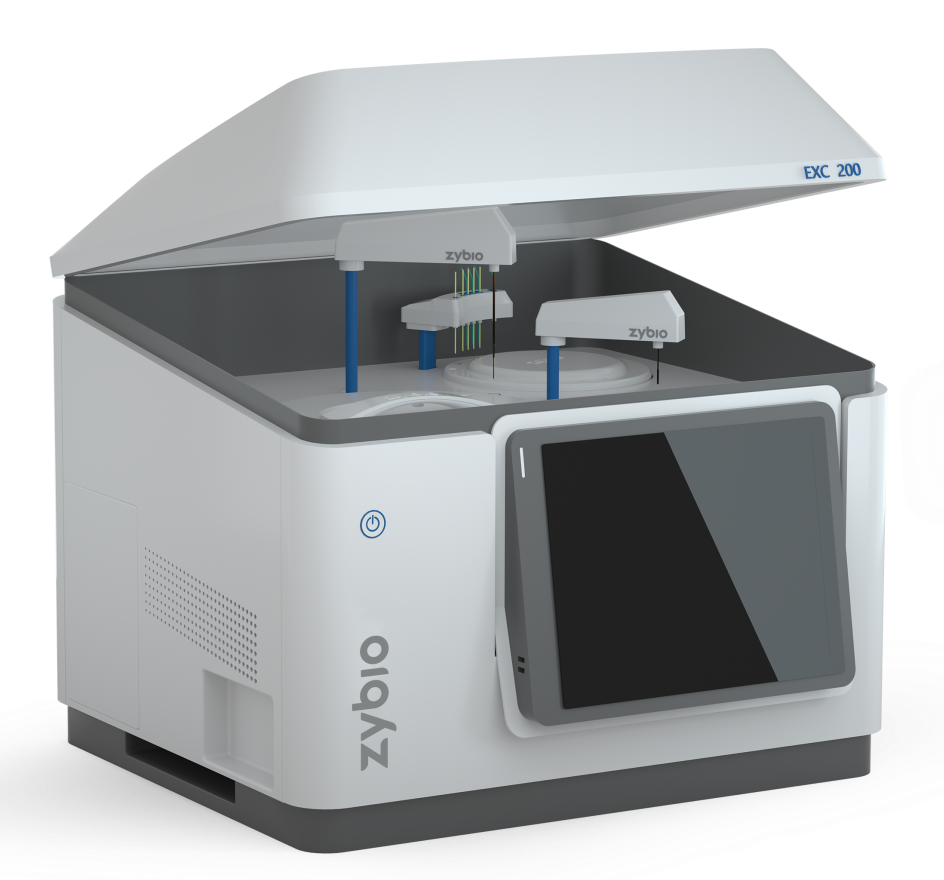
Ease of use and intuitive interface with a bright touchscreen
Integrated design – no separate PC required
High component reliability and reagent stability
Cost-effective per-test cost
Space efficiency: Saves space in small laboratories and clinics
Minimal reaction volume: Allows for lower reagent usage, reducing costs
Water savings: Lower water consumption during operation, offering economic benefits
Convenient result transfer: Easy integration with LIS